
Exploratory testing techniques for QA professionals

Exploratory testing techniques for QA professionals
Exploratory testing has always been one of the most valuable skills in QA. It is where intuition, curiosity, and product understanding come together. While automation excels at repeatability, exploratory testing is what uncovers the unexpected.
Core exploratory testing techniques
Session based testing- define a clear goal for a fixed time window. For example validating a new onboarding flow or stress testing error handling. This keeps exploration focused and measurable.
Risk based exploration- target areas most likely to fail or cause business impact. New features, integrations, payments, permissions, and data handling are common starting points.
Boundary and edge case exploration- push inputs beyond expected limits. Long text, special characters, empty states, time zone changes, and interrupted workflows often reveal hidden issues.
Persona driven testing -adopt the mindset of different users. A first time user, a power user, an admin, or a frustrated customer all interact differently with the same product.
Bug clustering- once a defect is found, explore nearby areas. Bugs rarely exist alone.
Where AI fits in
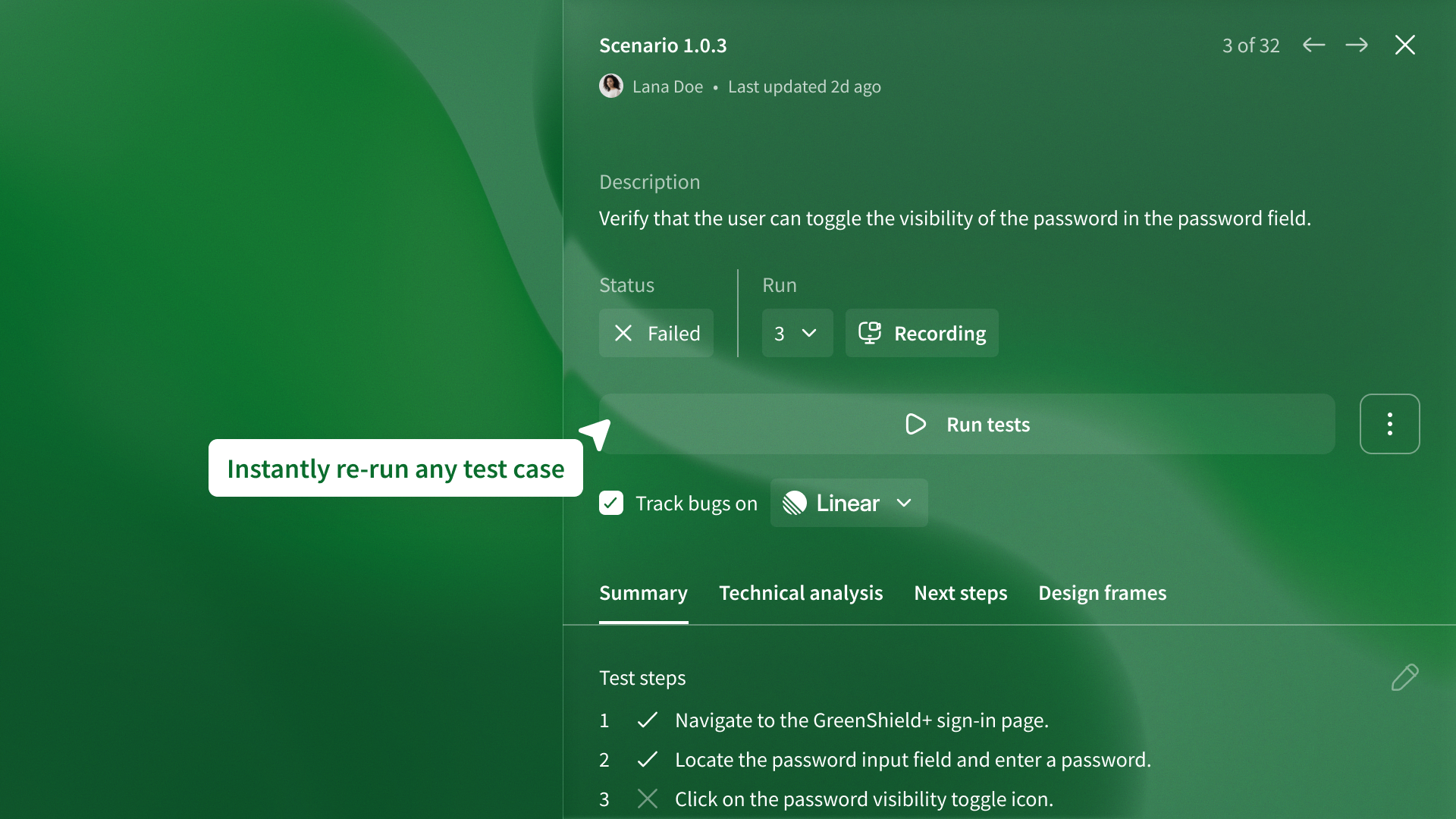
With tools like QA flow
AI supports exploratory testers by:
• Generating solid baseline test cases from designs and requirements
• Handling repetitive regression work so testers can stay in an exploratory mindset
Instead of spending time on setup, documentation, or rework, QA teams can focus on what truly matters: observing behavior, questioning assumptions, and uncovering hidden risks.
The takeaway
Exploratory testing is a human strength. AI simply creates the space for it to thrive.
The future of QA is not scripted versus exploratory. It is automation handling the predictable, while humans focus on discovery.