
Why agencies fail the final site handoff

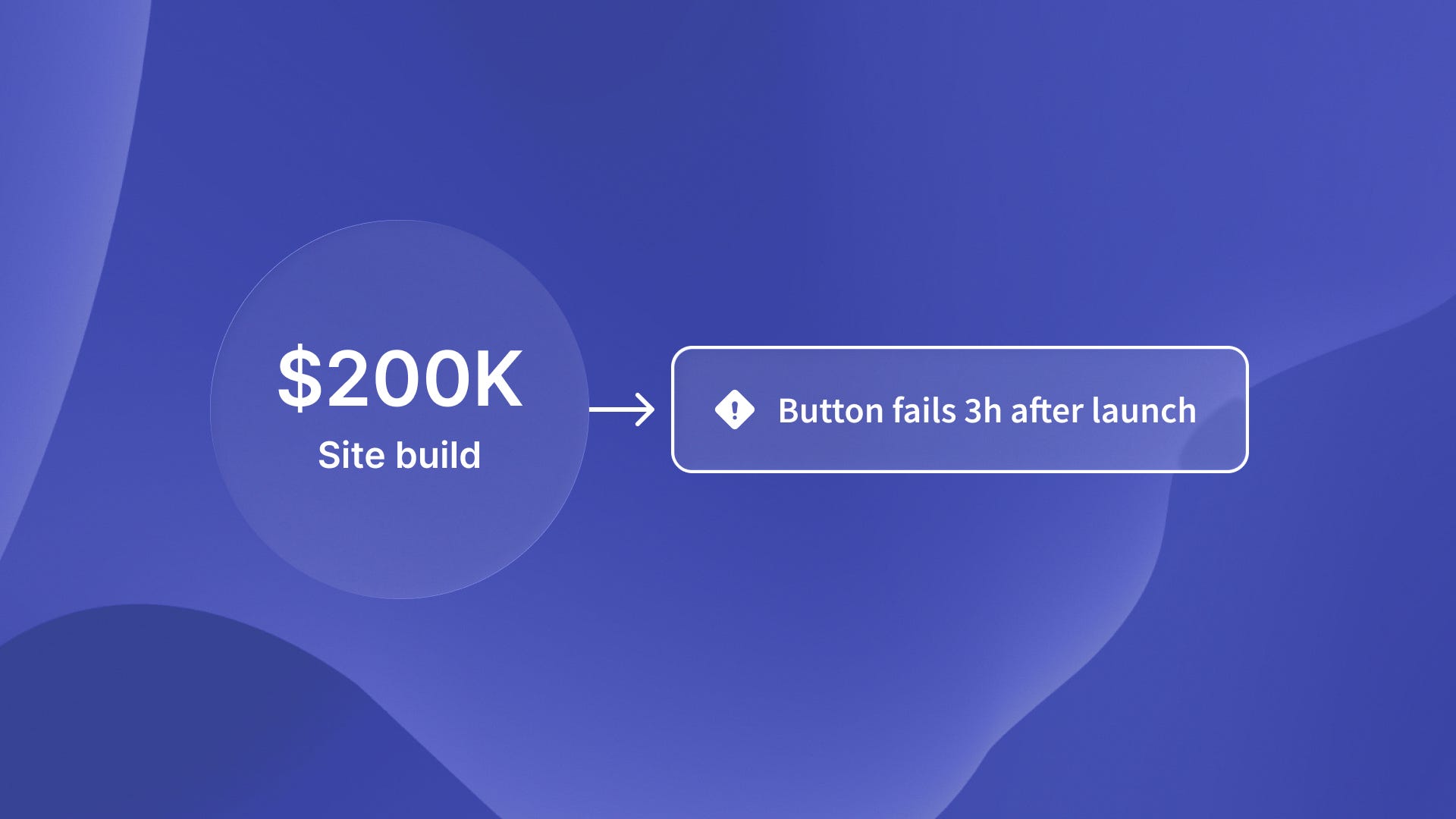
June 2024. I watched a premier marketing agency deliver a headless commerce site to a global client. It was a $200,000 build, polished and visually stunning. Three hours after launch, the checkout button failed on mobile. The fallout went beyond a technical fix. It was a complete collapse of client trust during the most critical window of the project. This is the marketing agency QA workflow at its breaking point.
This gap happens because development teams now ship 2 to 3 times more features than five years ago. But testing capacity has not kept up. Most agencies still treat quality assurance as a manual afterthought. They hire more testers as they grow. But hiring humans to solve a speed problem is a linear solution to an exponential challenge. When your team is coding faster with AI tools, your testing must be just as fast. Otherwise, you are just producing technical debt at a higher volume.
Solving the marketing agency QA workflow bottleneck
I’ve found that incomplete bug reports are the primary reason agency handoffs fail. When a tester finds a bug but does not share full technical details, developers waste hours reproducing the issue. This creates a hidden tax on your margins. According to Careerist, poor reporting allows high-severity bugs to escape into production. It is the most common mistake in manual cycles.
An engineer receives a ticket that says the button is broken. They spend forty minutes checking Safari, then Chrome, before realizing the issue only happens on a specific Android version. If your team had automated bug documentation with technical context, that developer would have seen the logs and device specs instantly. Without it, you are paying for investigation time instead of building new features. Most agencies systematically underestimate these freelance and internal costs by 30-50% because they ignore this communication overhead.
The reality of manual QA bottlenecks
There is a massive communication gap between specialized testing teams and development squads. Every time a bug report is sent back for clarification, the project velocity stalls. Syntactics highlights that these reporting gaps create constant friction that delays deployment. This is where manual QA bottlenecks become a structural risk to the agency.
Internal communication gaps
I’ve seen this firsthand at Islands, a product studio managing ten or more client projects at once. When you are balancing that many builds, you cannot afford a two-week QA cycle. If a tester and a developer go back and forth over one CSS selector, the project loses momentum.
The friction of hiring
The environment lacks the infrastructure to support their speed. When tactical execution fails, fractional marketing engagements fail within the first 90 days.
Transitioning to an autonomous bug lifecycle
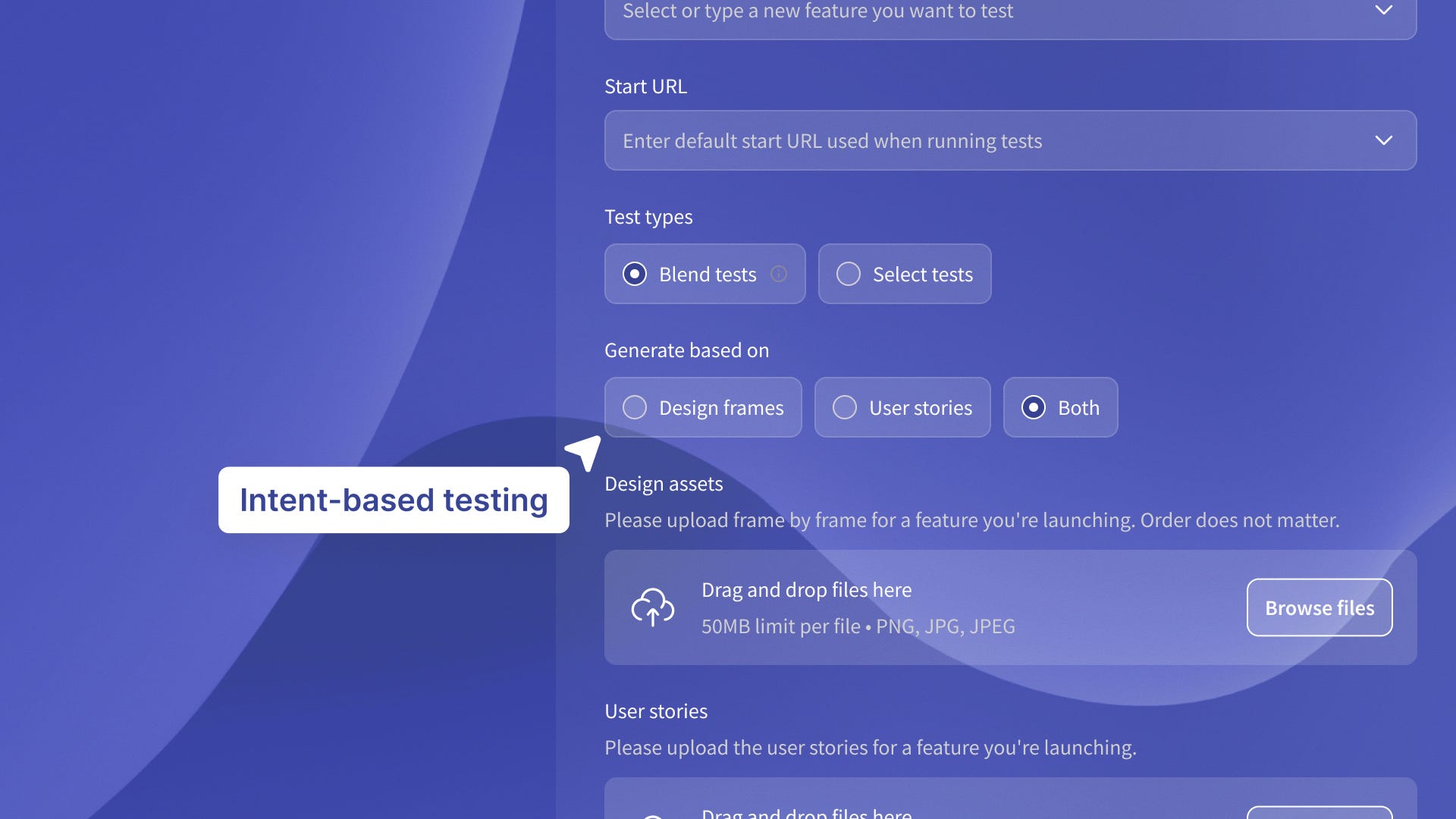
Autonomous testing transforms quality into a competitive advantage. Traditional automation involves writing brittle scripts in Selenium or Playwright. These scripts break the moment a developer changes a class name. But an autonomous bug lifecycle uses intent-based testing to understand how a design is supposed to function.
QA flow, for example, generates these tests directly from Figma to Jira QA pipelines. It reduces cycles from two weeks down to three days. This allows agencies to:
Capture high-severity bugs before the client ever sees them.
Remove the 3-6 month hiring cycles that create a $600K bottleneck.
Ship at the pace of modern AI-accelerated development.
Implement bug reporting best practices without manual documentation.
This is intent-based testing versus implementation-based testing. True autonomy means the system reads your design intent and your code commits to eliminate manual scenario planning. It builds consistency that helps cult brands to grow. The digital experience always matches the brand promise.
The takeaway
Manual QA is a liability in a world of high-velocity delivery. You don’t need more people to check buttons. You need a system that understands what the buttons are supposed to do. Agencies that bridge this gap protect their margins and their reputations. High-quality output is the best marketing. Thought leadership delivers 16x ROI only if the product works.
How is your team handling the final 10% of the build? Reply to this email and let me know your biggest handoff headache.
Ready to eliminate handoff friction forever? Get started with QA flow today.