
Why ecommerce testing is the only way to kill your bug tax

Recently, I analyzed a high-growth DTC brand that was watching their churn spike. Customers weren’t unhappy. Customer sentiment scores were actually at an all-time high. But the revenue was leaking. After digging into the data, I found the culprit wasn’t a competitor or a price increase. It was their code. Specifically, their code was breaking the checkout flow in ways they couldn’t see during standard manual testing. This is the ecommerce bug tax: a systemic failure where broken UX paths act as a permanent drag on business growth.
Involuntary churn is often treated as a customer preference issue. Marketing teams try to solve it with discount codes or win-back emails. But for high-growth brands at the Series B or C stage, involuntary churn is frequently a technical failure. It is a leak in the plumbing of your payment gateway handoffs. Manual QA simply cannot catch it. This requires a rigorous ecommerce testing strategy to protect your margins.
The reality of the billing bug tax
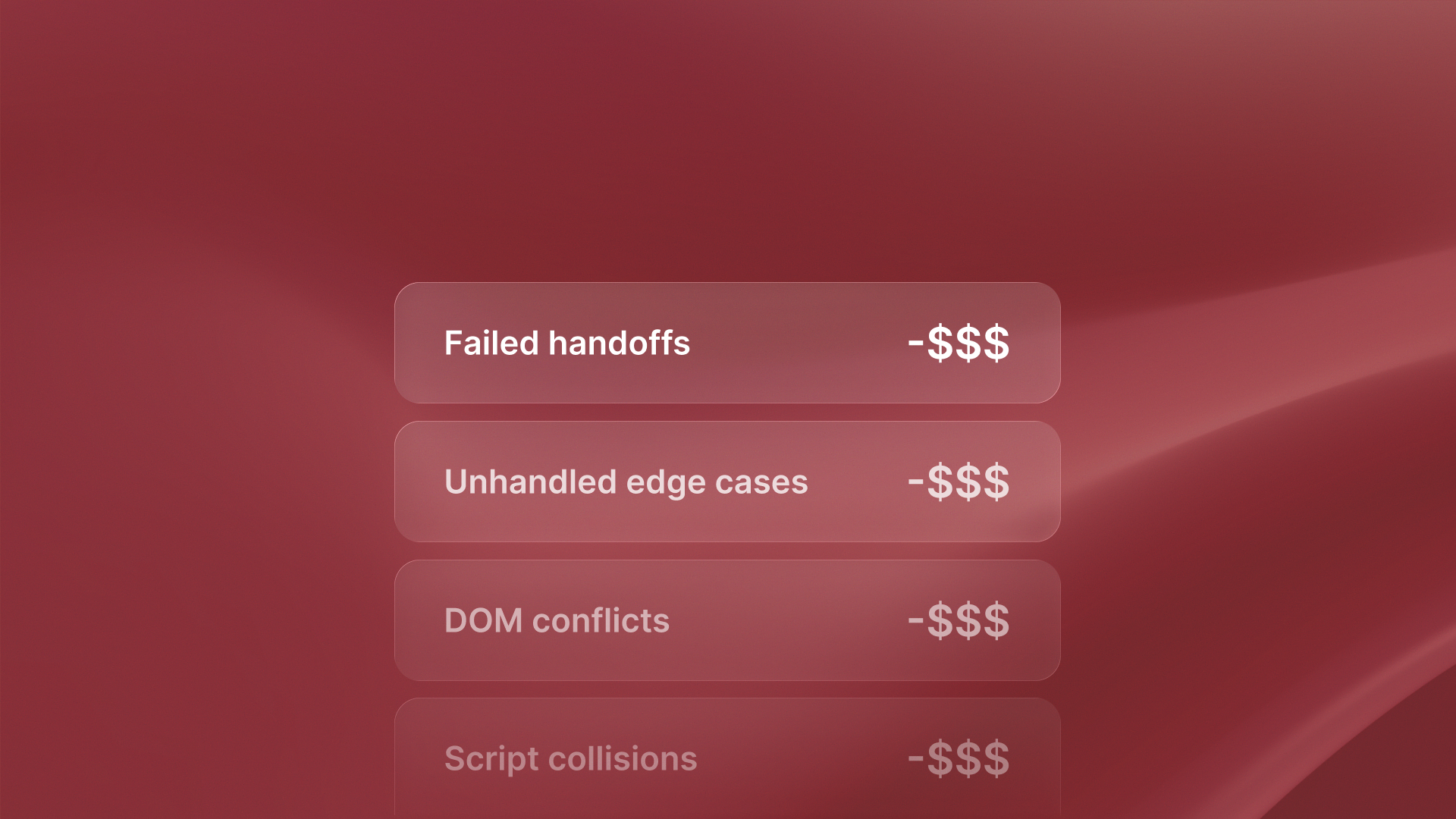
When we talk about ecommerce testing, most engineering leaders think about visual regressions or broken links. But the most expensive bugs live in the payment logic. Payment failures caused by unhandled edge cases represent a massive portion of total subscriber loss (Stripe). These aren’t people choosing to leave. These are people who want to stay but are kicked out by a failed network response, an unhandled card expiry edge case, or a timeout during a gateway handoff.
This is a silent revenue killer that compounds every month. If you are losing even a small percentage of your base to technical errors, your LTV/CAC ratio collapses. You are effectively paying to acquire customers only to lose them because of a DOM conflict or a script collision you didn’t test for. I’ve seen this firsthand when analyzing private label beauty startup costs. High-margin products lose their advantage the moment a mobile checkout fails.
Moving toward a modern ecommerce testing strategy
Most teams rely on manual regression cycles before a weekly release. A tester goes through the happy path, enters a test card, and sees a success message. But manual cycles are insufficient for the complexity of modern payment environments. You have multiple currencies, local payment methods, and complex subscription logic all firing at once. This is why ecommerce software testing services that rely on human hours eventually fail to scale.
Average B2C churn ranges from 5% to 7% (Recurly). A 1% reduction in technical failures significantly improves your growth trajectory. Relying on humans to catch these errors is a scaling constraint that will eventually break your unit economics. If you are already dealing with a technical hire failure, you will have more problems coordinating work. Adding more manual testers will make that even harder.
The impact of technical leaks on growth
Compound revenue loss over a 12-month period
Increased customer support overhead from failed transactions
Skewed marketing data that masks true retention rates
Erosion of brand trust when loyal customers are locked out
Failed promotion codes during peak social media traffic hours
Tracking gaps that hide the loss of billable efficiency
Transitioning to autonomous ecommerce qa testing
I have found that the only way to protect revenue at scale is to move away from implementation-based testing. Traditional tools like Selenium break when your CSS selectors change. This creates a maintenance burden that slows down your engineering velocity. You end up spending more time fixing tests than shipping features. This is where ecommerce qa testing must evolve from scripts to intent.
Instead, you need intent-based testing. This approach validates the user outcome rather than the underlying code. By using QA flow, brands can automate the detection of these high-stakes edge cases. The system understands the intent of a checkout flow. It ensures it remains functional across every deployment. I wrote more about this in our guide to your bug tax. It outlines how these preventable errors drain nearly a fifth of your revenue.
How to audit your current billing health
Review your Stripe or Braintree error logs for unhandled exceptions
Map every third-party script that touches the checkout page
Implement a Shopify pre-launch QA checklist for every major drop
Set up autonomous regression suites to monitor recurring billing layers
Verify that LinkedIn drafts and marketing workflows don’t bypass staging checks
Audit for invoice disputes caused by pricing logic errors
The economic reality of technical debt
Marketing cannot solve a technical leak. You can spend millions on brand awareness, but if your checkout plumbing is leaky, you are pouring water into a broken bucket. This is especially critical during events like a site migration seo push or a general seo migration. If the technical foundation is crumbling, your organic traffic won’t convert.
The difference: One approach treats QA as a checkbox. The other treats it as a direct revenue-retention strategy. Protecting your margins requires a shift in how you think about your tech stack. If you aren’t validating your payment behavior with every build, you are gambling with your recurring revenue. We’ve seen how high-velocity drops fail on checkout when teams rely on old manual methods. Even a fractional marketing engagement will fail if the technical handoff is broken.
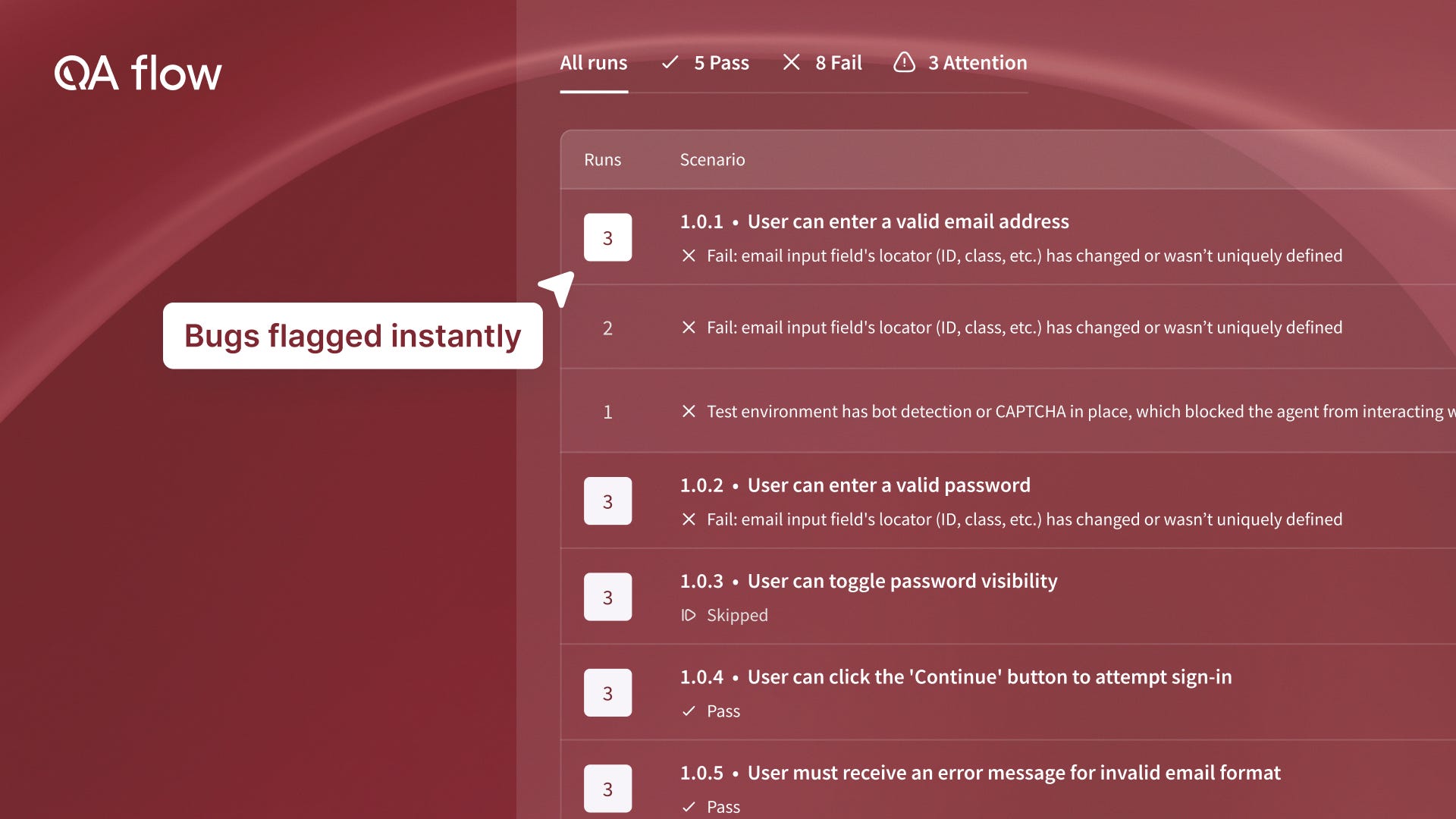
One approach optimizes the bottleneck. The other removes it.
Stop letting silent technical failures drain your revenue. Start free with QA flow today to protect your checkout and kill your bug tax.